Haiku – Introductoin

Haiku Poetry

What is a Haiku?

“Haiku” is a traditional form of Japanese poetry.  Haiku poems consist of 3 linesThe first and last lines of a Haiku have 5 syllables and the middle line has 7 syllables.  The lines rarely rhyme.

So what is a syllable?

A syllable is a part of a word pronounced as a unit.  It is usually made up of a vowel alone or a vowel with one or more consonants.

 The word “Haiku” has two syllables:  Hai-ku; the word

“introduction” has four syllables:  in-tro-duc-tion

Because Haikus are such short poems, they are usually written about things that are recognizable to the reader.  Animals and seasons are examples of recognizable topics children might enjoy exploring

Writing a Haiku Poem

https://www.youtube.com/watch?v=VLxV5tRRo9g

What am I? Haiku’s

Green and speckled legs,
Hop on logs and lily pads
Splash in cool water

In a pouch I grow,
On a southern continent —
Strange creatures I know

Now see if you can write your own “What am I” Haiku.

Examples of poems

Winter – by Kaitlyn Guenther

Snowflakes are our friends

They descend when winter comes

Making white blankets

Stop Motion Claymation Task

Instructions:  In a group of 2-3 max, you are to design and film a simple animation short story, in which every group member is to create a character.


You will need to –

1.  Organise your working partners

2. Brainstorm your – Characters, Storyline (which MUST INCLUDE A RELEVANT THEME/PLOT/CENTRAL CHARACTER and needs to be original not based on any published stories), work out what equipment you will need to bring to the next lesson to start your filming (plasticine, lego figures etc.) what type of back drop will you need for your film (try to have your backdrop related to your story, you can include several backdrops/backgrounds relevant for your story).  You can print out backgrounds from images taken from google, design your own on A3 paper etc.

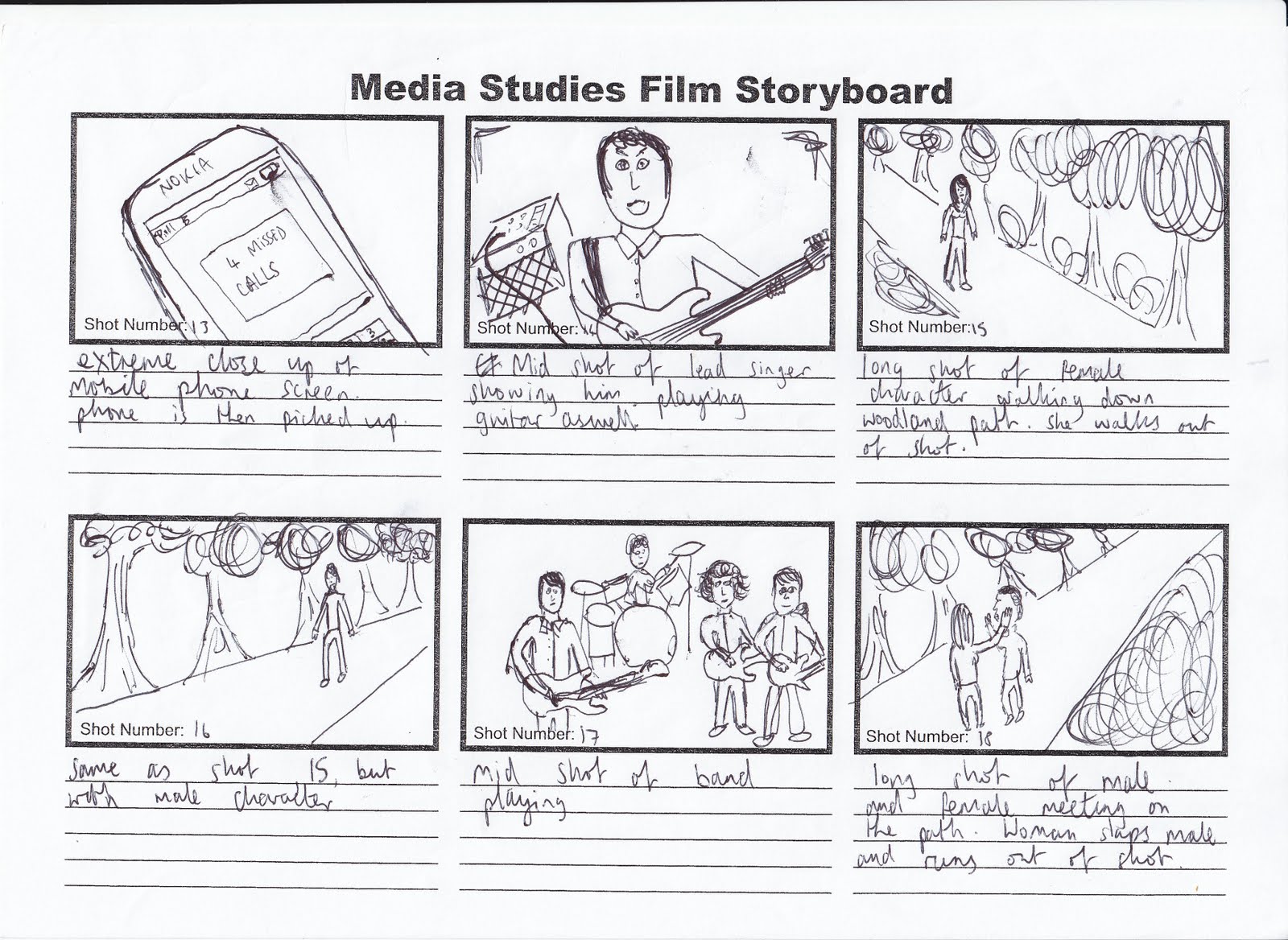
3. Write a script/storyboard – work on this either using storyboard.com (you will need to create an account) or in your exercise books.  You need to be mindful of the action for each frame you use.

You need to have your storyboard/script completed before you begin filming! I will be checking this.

Below are some links that I would like you to have a look at about storyboarding

http://www.videomaker.com/article/2313-how-to-create-a-storyboard

Some examples of Story boards

4.  You need to email me the name of your group and the names of your groups members

5.  Create your set and background using materials brought in from home, or designed on paper.

6.  Shoot your animation using either the stop motion effect on a video camera/camera from the Learning Hub

7. Edit your short film (Must be between 2-3 mins viewing time) and then drop box in our year 8 English drop box

8.  We will have a class screening of these films.  Good luck!


How to write a memoir

A memoir is not what happens, but the person to whom things happen. Virginia Woolf

Essential Questions:
What is a memoir? (ie. what are the linguistic features of the genre?)
http://decoratingforevents.squidoo.com/memoir-examples

TOPICAL UNDERSTANDINGS
The term ‘memoir’ is used to describe writing of various lengths.
A memoir is based on one’s life.
A Memoir is written in the first person.
A Memoir renders the ordinariness of our lives significant.

What is the value of reading and writing a memoir?
How might I select the subject matter and angle for an engaging memoir?
How can I write an effective memoir?
How can I give and get effective feedback?

Lets have a look at some examples of some memoirs.
1. The Ten Second Lesson By: Norhafizah Manaf
http://www.memoirsbyme.com/fm20.html
2. The First Moment of…The Sixties By: Joseph Duffy
http://www.memoirsbyme.com/fm22.html

What types/styles of memoirs are there? –
A short memoir will have an ‘angle’.

1. The Victim Memoir
Did your mother give you away as a child to her crazy psychologist? Were you sucked into a cult as a teenager and married against your will to an octogenarian?

2. The Survivor Memoir
This is a little different than the victim memoir, because the victim memoir places the author in a situation he or she can’t control but simply must endure. Survivor memoirs, on the other hand, describe scenarios in which the author performs feats of strength, intelligence, heroics, or sacrifice to survive. The term “survivor memoir” can also refer to books written about surviving the Holocaust, although not many folks from this time period are left to tell their stories.

3. The Celebrity Memoir
Are you Madonna? No? That’s okay, because celebrity is a relative term anyway. You can write a celebrity memoir for just about anything these days. Were you a child star? A former hand model? A school board president or local judge? Do you hold the world record for eating the most safety pins in three minutes? Are you the child of a famous author, movie star, or athlete? Everybody’s got a claim to fame; you just have to find yours to write a celebrity memoir.

4. The Insider Memoir
Perhaps you work in a unique industry or you witnessed something of historical significance. If you have a story to tell that can only be told by someone who was there, you should write an insider memoir. Did you fight in the Sandinista Revolution? Were you employed by Enron in its final days?

5. The Love Story Memoir
Maybe you can’t think of a darn thing that makes you unique enough to write a memoir. But what about love? If you’ve had a great love in your life, now’s the time to write it. Everyone loves a love story, particularly if the lovers have to overcome obstacles to be together.
A Memoir is always a selective representation.

Tools for writing en effective memoir

A memoir’s beginning should grab the reader’s attention.

The middle of a memoir shares important actions and details about the experience.

While the end, comes after the main action and needs to show what was learned.

Writing the Outline & Planning

Create an outline for this period of time in your life which needs to contain the details and emotions of your life at the time this memoir takes place.

Divide the action into three parts and outline for events, details and emotions in each part.(Beginning/Middle/End)

Divide a page into six boxes. On the left side, write the beginning, middle and end of your memoir in a few sentences, using as many details and as much information as possible.

Create a three box planner. Draw three boxes in the middle of the page. In the middle box, draw the most important event of the story. In the first box, draw what happened immediately before the most important event. In the last box, draw what happened immediately after the most important event. Write a one sentence caption under each box. Draw a box outlining the page. On each side of the box, write key aspects of the memoir such as the setting, emotions felt, important people or key dialogue. These can be adjusted as needed to focus on a specific topic.

Characteristics of a Memoir

Get to know the narrator. The audience must connect with the narrator. Share information about yourself or things you might have in common with the audience.

Use description that brings the story to life. Teachers commonly use the phrase “show not tell” here. Use descriptive words and phrases, making the reader feel like they were present when the action took place.

Include dialogue that shows feeling. In this case, less often means more. Include only the most important dialogue that has the most impact.

Feature a beginning that catches the reader’s attention. Hook your readers immediately. A few ideas include starting in the middle of the action, having the characters talk, beginning with a surprising statement or fact, or giving some important background information.

Add sensory details. These are words or descriptions that appeal to one of your senses. Sensory details provide a complete look at the story, and make your memoir more interesting.

Share thoughts and feelings. This allows readers to understand how the experience affected you, and what you were going through. Thoughts and feelings help build a connection to the narrator.

Reveal why the event was important. Writers share what they learned from this experience, building a connection with the audience. Writers want to evoke an emotional response from the reader.

Pulling it All Together

Tips for constructing a first draft include:

Write on every other line on one side of the paper. Keep your writing as neat as possible, but don’t worry if you make a mistake. This makes revising easier.

Add new ideas that come to mind as you write. Memoir writing is a process of discovery.

Note any parts you may want to change, or make the changes as you write.

Remember your purpose and audience. Keeping your focus helps tell a good story.
Tomorrow when the war began – Invasion of Australia

Something that many people do not realise is that during World War 2 Australia really was under threat and in fact Darwin was attacked by bombers in 2 air raids.

TASK – Memoir writing task
Criteria being assessed
Crit 2: Accuracy (Language)
Crit. 3: Creativity/empathy
Crit 6: Thinking/Inquiry
Crit 7: Writing

Imagine you are living in Darwin during WW2 (1942). Give details of what you do,(do you work, are you a man, woman, child, priest, school teacher, dock worker?) how old you are etc.

Write a memoir to be left to your grand children that describes what happened during one of the air raids and the aftermath.

You will need to do some research to help you with this task.
Use these questions to help you with your initial research. Make notes as you go so you have the detail to write your memoir. Carry out some research about the bombing of Darwin. When you have completed your research you will need the following information:

When was Darwin bombed? Year, month etc.
Who carried out the bombing?
How many people were killed?
How many attacks were there?
What led to these attacks?
Approximately how many people were wounded?
How long did the air attacks last?
How many military aircraft and ships were damaged by the bombings?
Where in Australia did many people flee to?
List three other towns in Northern Australia who also experienced an air raid.

Resources to help you:
The following web sites will help you. Remember, they are not the only ones, just some to get you started.
http://www.nma.gov.au/interactives/ahm/darwin/darwin_v1.html ( an interactive activity)
http://www.naa.gov.au/collection/fact-sheets/fs195.aspx
http://australia.gov.au/about-australia/australian-story/japanese-bombing-of-darwin
http://www.awm.gov.au/encyclopedia/air_raids/darwin/
http://www.battleforaustralia.org.au/2901/Overview/Bombing_Darwin/
http://www.australiansatwar.gov.au/stories/stories_ID=196_war=W2.html
http://nationaltreasures.nla.gov.au/%3E/Treasures/item/nla.int-ex10-s8/nla.int-ex10-s10
http://www.awm.gov.au/education/talks/1942-bombing-of-darwin/


Here is a good site to give you some general information about life in Australia during the 1940’s
http://www.myplace.edu.au/decades_timeline/1940/decade_landing_6.html?tabRank=1

Tomorrow when the war began – Video Diary Task

Criteria being assessed
Cr. 3: Creativity
Cr. 10: Group work

Work with a partner to complete the following task:

Choose either Corrie or Kevin.
Create a video diary in which the character tells their side of the story about the specific passage: p. 77 to 85.
Use the questions below to guide your video diary and make sure it flows.

1. What/who are you thinking about as you walk with Ellie and Kevin/Corrie to the showground? (you can see Ellie’s thoughts at this point on pp. 77-79)

2. When you get there you have a meeting with the others, what happens in this meeting, do you agree with the decision (pp.80-81)

3. Ellie is the first to run to the line of trees, describe this from your perspective? (p.81)

4. What happens next, what do you do, what can you see? (p82-84)

5. When you get back Ellie gets shot at, what do you see? What do you do? How do you feel about this?

6. You are chased by soldiers, and you follow Ellie into Mrs Alexander’s backyard, which Ellie realises is a trap? Did you realise this? What do you think about going into this backyard? How do you feel about this situation (being chased by the soldiers, running into a backyard with no escape)? (If you are Corrie running into the lawnmower).

How to write a persuasive letter

How do you write that letter that helps you get what you want?

Here are some tips on how to help you write a very persuasive letter.

1. Do your background research first before writing that letter, the more facts or information you have to present in your letter, the more solid your argument will be.

2. Consider who your reader will be.

To write an effective persuasive letter, you need to get inside your reader’s mind. Ask yourself what points would be MOST effective in persuading that particular person to take the action you desire. How could the action you desire benefit that person? What concerns might he or she have?

3. Write as if the reader would be on your side.

When writing a persuasive letter, don’t treat the reader like an enemy. Your letter will be much more effective if you assume that you and the reader have the same goals. Then all you have to do is explain how your fabulous idea will help the reader reach those goals!

4. Be polite

Not only is a less-than-polite letter likely to be ignored, it could even work against you!

This is how you could set out your letter

Your address

the date

Dear Mr Thompson

In this opening explain what is it that you want.
I am writing this letter because I believe that wolves ….(You continue writing this sentence with your own personal belief/reason you are writing this letter

Here is where you get to explain why your idea is a good idea. Remember to make arguments here to will be meaningful to your reader.
The first reason I believe this is…….because…..(Here is your opportunity to give facts to back up any reason you had written about in the opening part of your letter.

The second reason I believe this is….. because …..

The final reason I believe this is…..because….

Here address any concerns or issues that you think the reader might have with your idea and explain why it is a good idea.

It is true that some people disagree with me. They say that…. (Give one or two reasons why people feel different from your viewpoint). However that is not correct. It has been discovered that…(write a sentence or two that represent facts proving these arguments wrong.

Finish of with what you intend to do and when.
As you can see, wolves….. (Use this space to restate the opinion that you expressed in the first paragraph) I hope that you will consider this letter when you look at any future action regarding the wolves in Tasmania. Thank you very much.

Sincerely

(sign your name here)

Print your name

Term 2 – Unique Film Trailer

Okay last lesson last term with your partner you had the lesson to brainstorm some ideas for you film trailer.

This lesson you need to start planning an preparing for the filming of your trailer.

Some things you might want to do first is to

REMEMBER YOU ONLY HAVE TWO LESSONS FOR STORYBOARDING USE YOUR TIME WISELY

1. Create a storyboard – This can be done either as a rough sketch of some of the scenes you will need to film

It also includes things such as dialogue, camera angles, lighting (if necessary), props, costumes, music, special effects etc.


or you can start creating with your partner on your laptop below is some help if you are planning on using imovie 11

Creating a movie trailer with imovie 11

http://www.bing.com/videos/search?q=how+to+create+a+storyboard+for+a+film+trailer&qpvt=How+to+Create+a+Storyboard+for+a+film+trailer&FORM=VDRE#view=detail&mid=37B0B6C7A469110E05D237B0B6C7A469110E05D2

Term 2 – Poetry Anthology

GRADE 8 ENGLISH – POETRY ANTHOLOGY


  • Over the next few weeks, your task is to complete a book of poetry (an anthology) that includes poems that you have written yourself and poems written by others.  ‘Australia’ is the theme for this project.   Yes I am aware that you did something similar in year 7, however you must use all new material for this anthology.

  • There must be at least one poem included on each of the topics listed below, as well as five other poems that you have chosen simply because you like them:

o   Australians at war

o   Aboriginal Australia

o   Humour

o   Nature

o   Classic Australia (the poetry of Lawson, Paterson etc)

o   Modern Australia


So all up you will be presenting 11 poems in total


  • Your anthology must contain a table of contents and a bibliography that acknowledges the writer and the source (books, websites etc) of the poems that you have included.


  • For three of the poems that you have included written by someone other than you, you must write a paragraph on why they appeal to you.


  • You must write a self-reflection on your own poetry ie. Do you like what you have written, what was your inspiration, do you enjoy writing poetry etc.


  • You may choose to decorate and illustrate your anthology but it is not essential however, your work must be neat.


  • One of your poems will be presented as a powerpoint – I will discuss this with you in class.


An excellent resource is the Australian Poetry Library (www.poetrylibrary.edu.au) which has thousands of poems by Australians about Australia.


DUE DATE:     TUESDAY JUNE 3RD   WEEK 5 B  (AT THE START OF THE LESSON ALL YOUR WORK MUST BE READY TO HAND IN)


Unique – Film Trailers

1.  Why is the film trailer made?

Identity Thief

https://www.youtube.com/watch?v=sCFDdokjAnQ

Oz the Great and the Powerful

https://www.youtube.com/watch?v=DylgNj4YQVc

Robot and Frank

https://www.youtube.com/watch?v=9jZlSfsE730

2. Who are trailers aimed at?

The Odd Life of Timothy Green

https://www.youtube.com/watch?v=DQ46du1edd4

Trance

https://www.youtube.com/watch?v=q3hkMecya0M

Song for Marion

https://www.youtube.com/watch?v=jtQ6cAaMzKs

The Host

https://www.youtube.com/watch?v=PjfaZxTTVpU

The Great Gatbsy

https://www.youtube.com/watch?v=TaBVLhcHcc0

Warm Bodies

https://www.youtube.com/watch?v=ljMkH2xkqt4